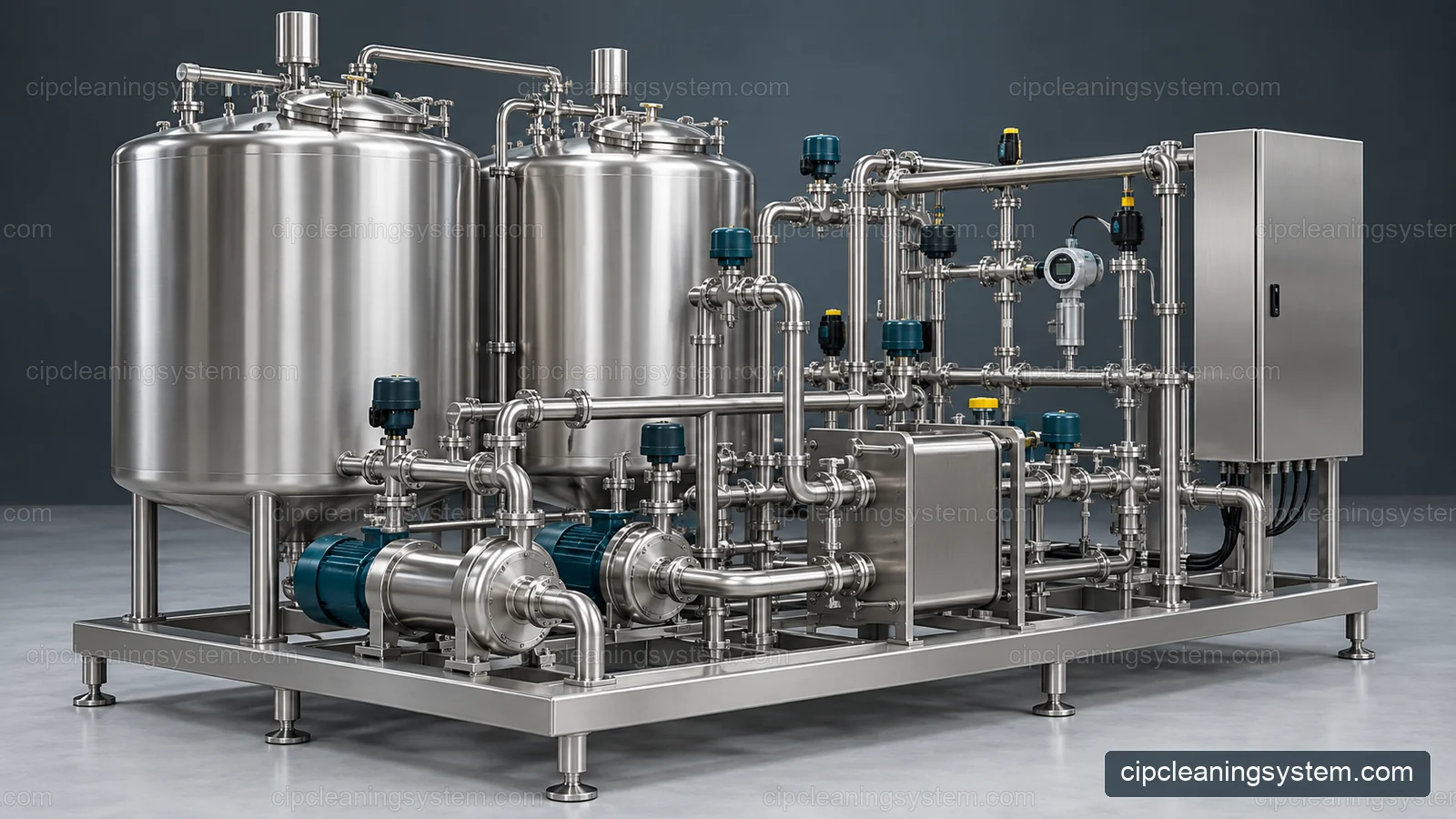
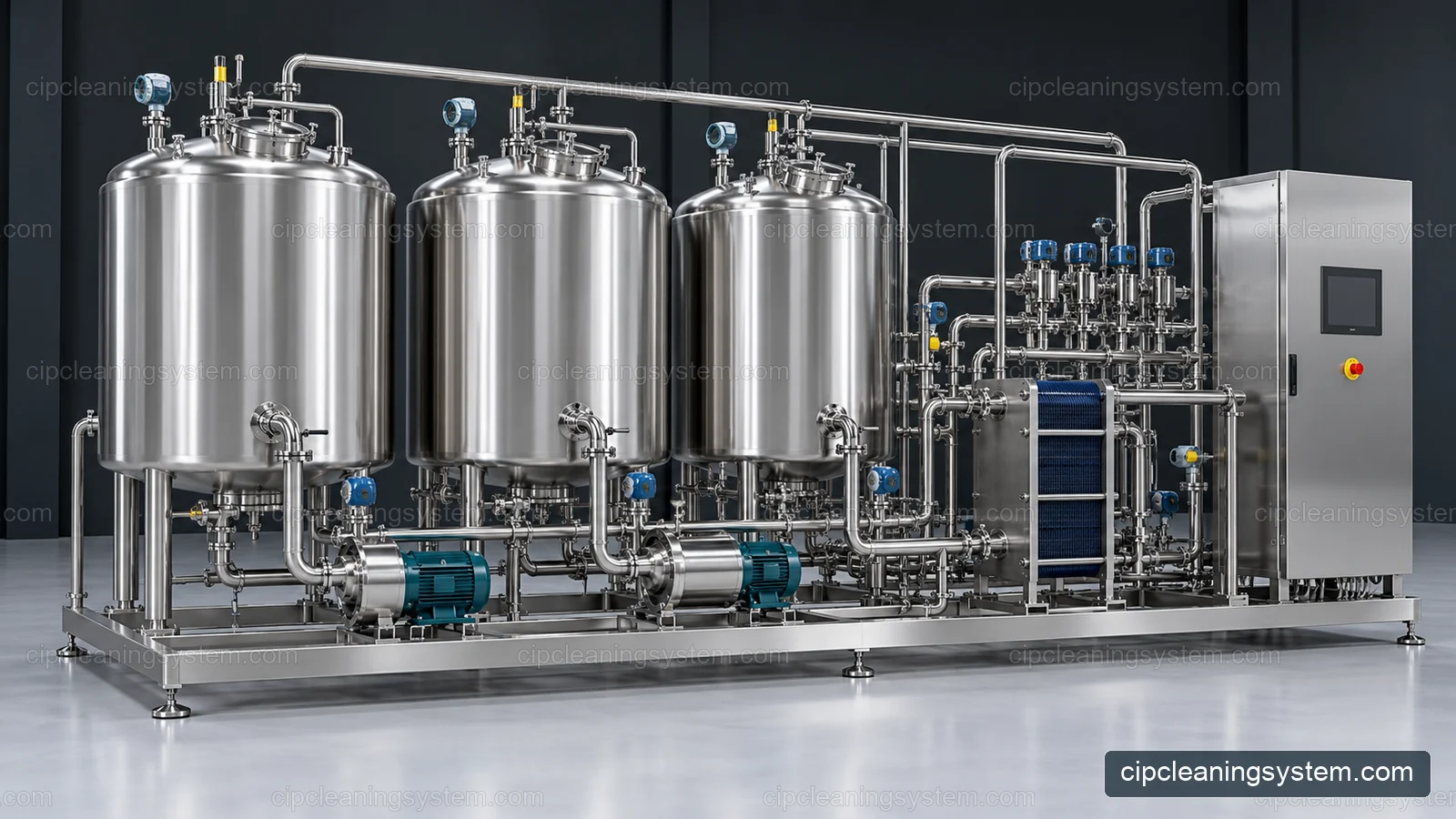
Two tanks or three?
Tank allocation follows the cleaning media and return policy. More storage duties may reduce preparation changes, but they also add space, instrumentation and cleaning surfaces.
Mobile or permanent installation?
Compare connection changes, hose reach and movement routes with permanent piping, branch selection and service access. Either arrangement still needs a reviewed return path.
Manual, semi-automatic or automatic?
Decide which tasks stay with the operator and which need controlled sequencing, feedback and records. Automation must refer to the physical equipment boundary.
Single-use or recovery?
Compare preparation and discharge requirements with qualified reuse, measurement and storage. Product segregation can rule out reuse for a particular duty.
Sequential or simultaneous?
Count connections separately from active duties. Concurrency requires combined utility demand and independently reviewed circulation and return arrangements.