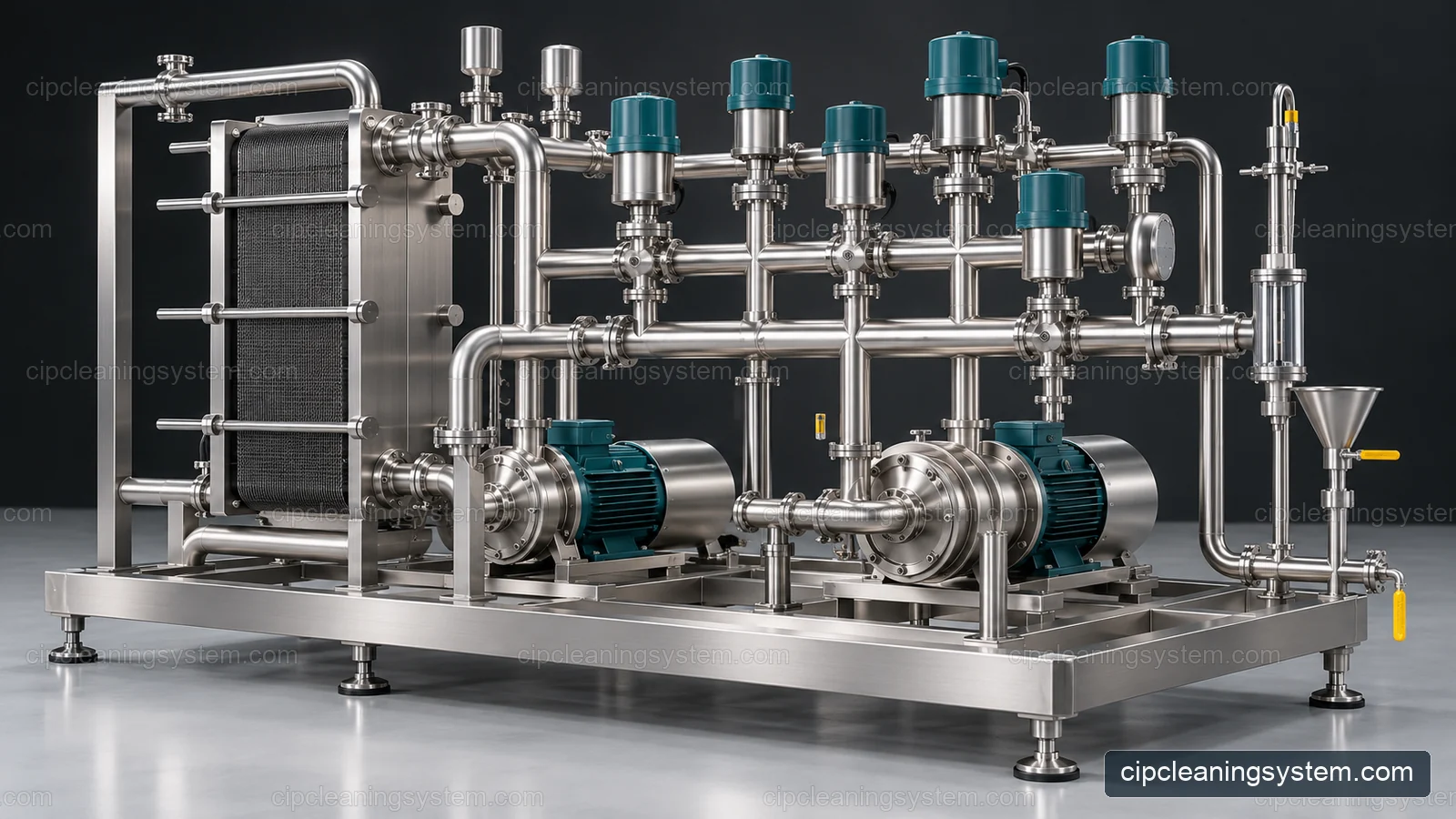
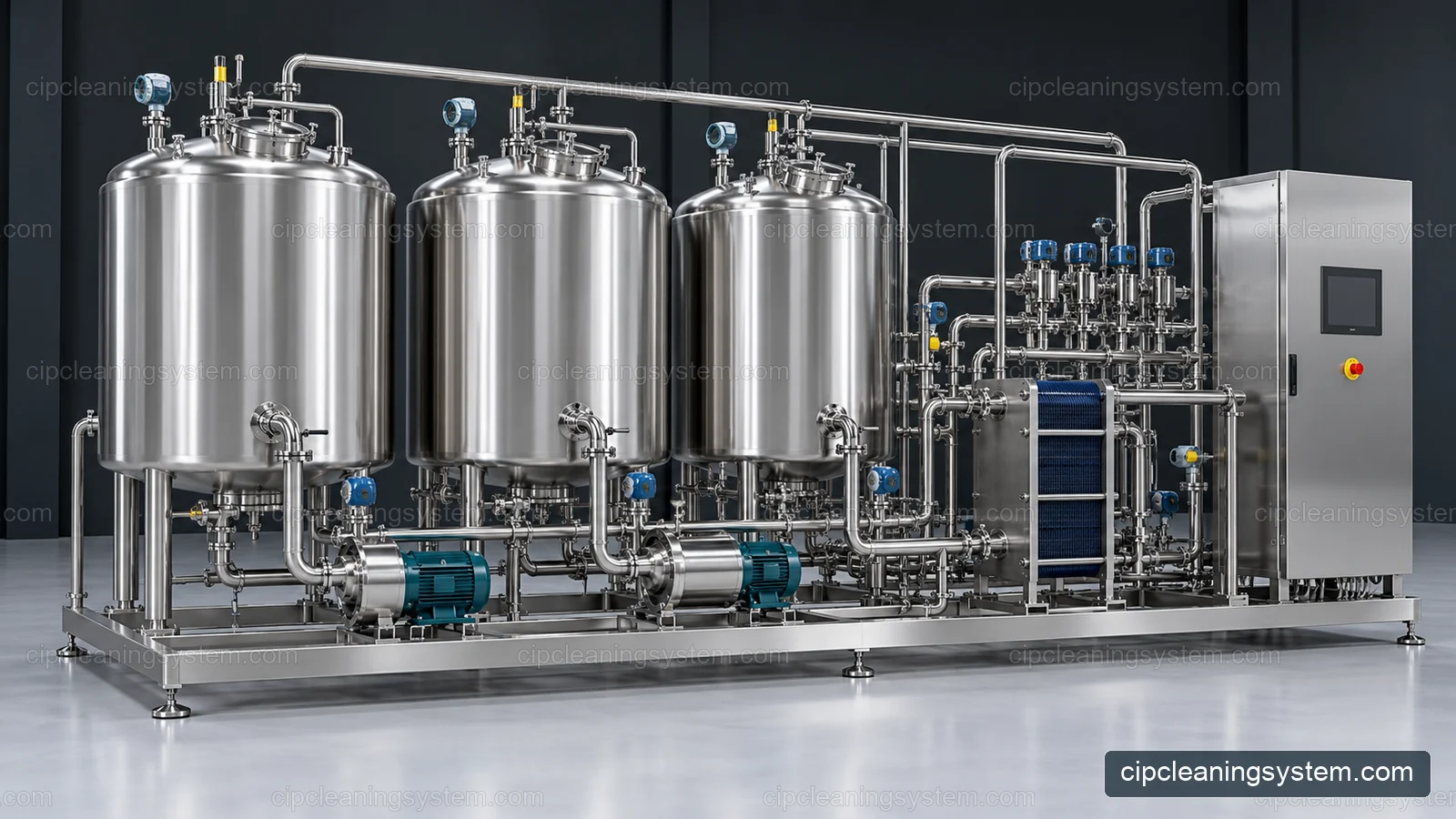
Confirm the physical path
Check the selected valves, connection identity, return route and drainability against the drawings. Include branches and connected equipment restrictions.
Verify instruments and utilities
Confirm that measurements represent the duty and that the agreed utility conditions are available. Record relevant operating observations instead of relying only on a skid display.
Test permissions and faults
Review production isolation, valve feedback, utility-loss handling and interrupted-cycle recovery. Agree when the system may resume and when a duty must be reviewed.
Review recipe and records
Check circuit identity, recipe revision, access permissions and deviation records. The plant team should be able to understand which duty ran and under what recorded conditions.
Define cleaning acceptance
Use the agreed equipment, soil and inspection boundary. A completed sequence or electronic record does not by itself prove the required surface cleanliness.